
Updated for 2026 — This article has been reviewed and updated with the latest recommendations.
Health Is Wealth: Top 6 Health and Fitness Apps of 2026
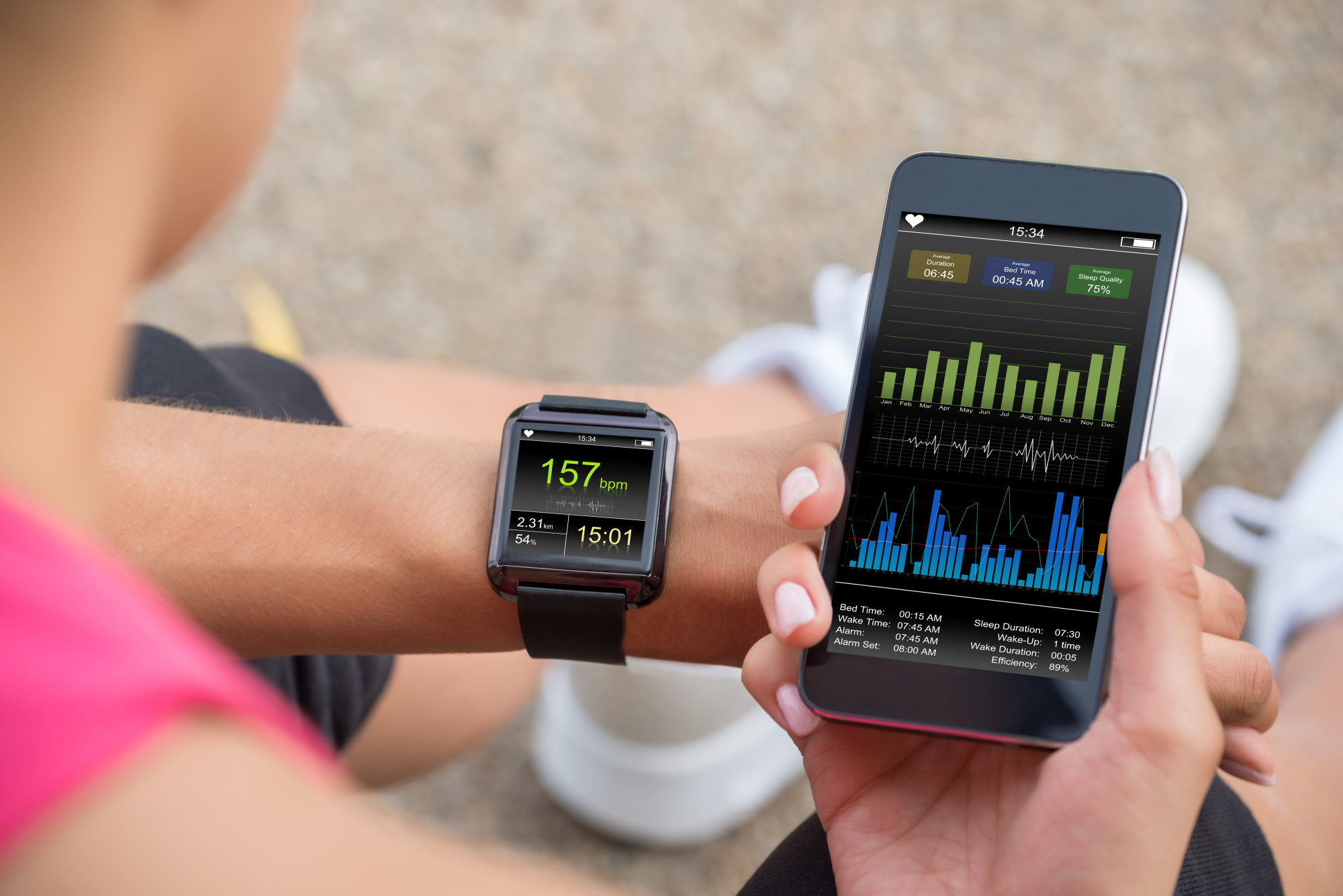
Health and fitness apps have evolved from simple step counters into comprehensive platforms that track nutrition, monitor sleep, guide workouts, and even detect early health concerns through wearable integration. In 2026, the best apps combine AI-driven personalization with clinical-grade data accuracy, making them genuinely useful tools for improving physical and mental wellbeing.
We evaluated the top health and fitness apps available in 2026, considering feature depth, accuracy, ease of use, subscription value, and device compatibility. Here are our six top picks across different health categories.
Top 6 Health and Fitness Apps Compared
| App | Category | Free Tier | Premium Cost | Platforms | Wearable Integration | Best For |
|---|---|---|---|---|---|---|
| MyFitnessPal | Nutrition tracking | Yes | $19.99/month | iOS, Android | Apple Watch, Garmin, Fitbit | Calorie counting |
| Strava | Running/cycling | Yes | $11.99/month | iOS, Android | All major wearables | Endurance athletes |
| Apple Fitness+ | Guided workouts | No | $9.99/month | iOS, Apple TV | Apple Watch required | Apple ecosystem |
| Whoop | Recovery tracking | No | $30/month (includes band) | iOS, Android | Whoop band | Recovery optimization |
| Headspace | Meditation/sleep | Limited | $12.99/month | iOS, Android | Apple Watch, Fitbit | Mental wellness |
| Strong | Strength training | Yes (limited) | $4.99/month | iOS, Android | Apple Watch | Gym workouts |
Detailed Reviews
1. MyFitnessPal
MyFitnessPal remains the gold standard for nutrition tracking. Its food database contains over 14 million items, making it the most comprehensive calorie counter available. The barcode scanner identifies packaged foods instantly, and restaurant menus from major chains are pre-loaded. The 2026 version includes AI meal recognition that can estimate macros from a photo of your plate with reasonable accuracy. The free tier covers basic tracking, while premium adds nutrient timing insights, food timestamp analysis, and ad-free usage. Integration with virtually every fitness wearable and app makes it the hub of most digital health setups.
2. Strava
Strava is the social network of endurance sports. GPS tracking for running, cycling, swimming, and hiking is paired with segment leaderboards, route creation tools, and a feed where friends share activities. The 2026 updates include AI training recommendations based on your workout patterns and fatigue indicators. The free tier covers activity recording and basic analysis. Premium adds live segments, route planning with surface and elevation data, training load analysis, and recovery metrics. For runners and cyclists who thrive on community motivation, Strava is indispensable.
3. Apple Fitness+
Apple Fitness+ delivers studio-quality workout classes that integrate directly with Apple Watch metrics displayed on screen in real time. Categories span HIIT, yoga, strength, cycling, rowing, meditation, and more. Trainers are excellent, production quality is high, and new workouts drop weekly. The tight Apple ecosystem integration means your rings, heart rate zones, and calorie burn are front and center during every session. The main limitation is the hard requirement for an Apple Watch and iOS device.
4. Whoop
Whoop takes a different approach by focusing entirely on recovery, strain, and sleep rather than workouts themselves. The band tracks heart rate variability, resting heart rate, respiratory rate, and sleep stages continuously. Each morning, the app provides a recovery score that tells you how ready your body is for training. The strain coach suggests workout intensity based on your recovery status. For athletes who want to optimize training load and avoid overtraining, Whoop provides genuinely actionable data.
5. Headspace
Headspace is the most approachable meditation app for people who have never meditated. Guided sessions start at just three minutes, and the library covers stress reduction, focus improvement, sleep, and emotional regulation. The 2026 version includes AI-personalized meditation plans that adapt to your mood and schedule. Sleepcast audio stories help with falling asleep, and the Focus mode provides ambient soundscapes for deep work. Clinical studies have shown that consistent Headspace use reduces stress and improves focus.
6. Strong Workout Tracker
Strong is the best gym companion app for logging strength training workouts. The clean interface lets you create custom routines, track sets, reps, and weight, and view progress charts over time. Rest timers, plate calculators, and personal records make every gym session more productive. The app supports supersets, drop sets, and custom exercises. The free tier allows three custom routines, while premium unlocks unlimited routines and cloud backup.
Choosing the Right App
- For weight management: Start with MyFitnessPal for nutrition awareness paired with any workout app.
- For running or cycling: Strava provides the best combination of tracking and community.
- For general fitness: Apple Fitness+ offers the widest variety of guided workouts.
- For competitive athletes: Whoop's recovery data prevents overtraining and optimizes performance.
- For mental health: Headspace provides clinically validated meditation and sleep support.
- For strength training: Strong's logging tools make progressive overload trackable and motivating.
Final Verdict
MyFitnessPal is the most universally useful health app thanks to its unmatched food database and broad integration support. Strava is essential for endurance athletes. For guided workouts with premium production quality, Apple Fitness+ delivers the best studio-at-home experience.
Get the best of Tech Stuffed
Expert guides, reviews, and tips delivered to your inbox. No spam, unsubscribe anytime.
Related Articles
Best Surge Protectors and UPS Battery Backups
The best surge protectors and UPS battery backup units for home offices and electronics.
Home Network Security Basics Everyone Should Know
Essential home network security steps for non-technical people.

Best Tablets for Reading and Note Taking
The best tablets for reading books, PDFs, and handwritten note taking.
How to Set Up Two Monitors on One Computer
A complete guide to setting up dual monitors on Windows and Mac.